The Escondido Humane Society
Escondido Humane Society's Foster Care Program
Everything You've Wanted to Know
This program was conceived with the intention of placing temporarily unadoptable pets into short-term homes where they would receive individualized extra care until which point they were able to meet the EHS requirements of adoptability.
After reading this information, if you are interested in participating, or if you have questions, contact Staci Fitzgerald – Foster Program Coordinator – (760) 888-2260.
What is the Foster Care Program?
The foster care program is a program by which EHS is able to place temporarily unadoptable animals into the homes of foster care volunteers to allow them the necessary time to become adoptable. Potentially adoptable animals are given a temporary home, care, and love while they recover from surgery, or injury, gain weight, mature, or nurse a litter.
What does a foster parent do?
Foster families provide the loving attention required to rehabilitate the minds and bodies of orphaned, physically injured, and under-socialized animals. These are animals that are not able to thrive in the stressful shelter environment. Volunteers take stressed, young, orphaned, underweight, or under socialized animals into their homes and care for them until they can be placed in the adoption center. These generous people provide a hands-on lifesaving service to homeless animals.
What animals qualify for the program?
- Stressed Animals: Animals who have been at the shelter and show signs of behavioral or physical changes due to the stress of being confined.
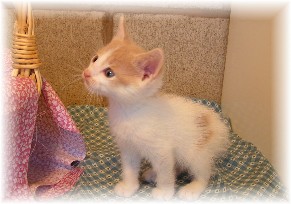
- Young Animals: Puppies and kittens less than 8 weeks of age. This also includes queens and bitches with nursing litters.
- Injured or Sick Animals: Animals with temporary health problems that are minor and treatable, such as those with fractures or wounds, also includes emaciated animals. Under-socialized Animals: Young animals that have not been socialized to people.
- Animals for Overpopulation: Healthy animals for whom there is no space in the shelter. This also includes animals going to breed rescue.
- Other animals: Any other animal deemed appropriate by shelter management.
No animals that have shown aggressive behavior toward people qualify for our foster care program.
Who does the Foster Care Program benefit?
The animals: Foster care for shelter animals has a direct impact on the number of homeless animals saved each year. Animals that otherwise may have been euthanized can be adopted into permanent, loving homes. These animals also start out with a stronger training background and wider socialization, which will help them become the best possible pet.
The volunteers: Although foster care can be difficult, it is an incredibly rewarding experience. Each time a foster animal is adopted, you gain the satisfaction of knowing that you have helped another animal find a lifelong home when it may have otherwise been euthanized. This is a great opportunity for people who want to help, but don't have the time to spend at the shelter. It is a flexible volunteer position that allows you to choose the type of animal you are comfortable sharing your home with.
The community: Foster care provides the community a larger segment of healthy, socialized animals. In addition, as a result of foster care by volunteers the public becomes more educated on animal health and care issues.
The shelter: With an efficiently run foster care program, euthanasia rates go down and staff morale goes up.
Foster Care also exposes more people to shelter animals, providing more opportunity to reach potential adopters.
What are the Requirements to become an EHS Foster Care volunteer?
To become a volunteer, you must first:
- Fill out a foster care application and have it approved by the program coordinator.
- Attend a foster care volunteer orientation.
- Attend training based on the animal you foster (kitten, puppy, adult dog).
- Have landlord approval if necessary.
- Host an annual home visit completed by EHS staff.
- Have adequate space and time to care for foster animals.
- Be willing to spend a large amount of time and energy with an animal that will be returning to the shelter for adoption.
Responsibilities of a EHS Foster Care Volunteer
The basic responsibilities you would be expected to fulfill as a Escondido Humane Society foster care volunteer are to:
- Provide food, water, socialization, training, exercise, and administer medication for foster animals. (The Escondido Humane Society provides all food and medication.)
- Provide a secure home for the animal(s). This may include isolation from household animals.
- Ensure that all household animals are healthy and current of vaccines.
- Observe foster animals and report any problems or questions to the foster care program coordinator. Also, understand that veterinary care cannot be sought without receiving the express approval of EHS managers beforehand.
- Return all animals to EHS as scheduled or requested by EHS management.
- Comply with EHS's philosophies and policies, and act as a representative of EHS.
- Make a commitment to the foster care program and the animals it helps. Although the length of foster care will vary according to the animal's need, volunteers are asked to commit to caring for one foster care case per year to remain active.
Thank you for your interest in the Escondido Humane Society's Foster Care Program.